


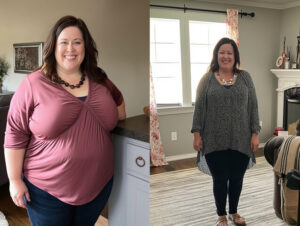

If you’ve been on a weight loss journey for any amount of time, you know there’s more to it than just calories in and calories out. Real, lasting change comes from creating a lifestyle that supports your goals—not just for a few weeks, but for the long haul.
In this post, we’ll show you how to create a healthy lifestyle that encourages weight loss and helps you feel your best physically, mentally, and emotionally.
What Is a Healthy Lifestyle?
A healthy lifestyle is a way of living that lowers your risk for illness and helps you maintain physical, emotional, and mental well-being. For weight loss, this means creating a balanced routine that supports metabolism, reduces stress, improves sleep, and builds sustainable habits.
It’s not about strict diets or intense workouts every day. It’s about consistency, self-awareness, and small changes that add up.
The Pillars of a Healthy Lifestyle for Weight Loss
1. Balanced, Nutrient-Dense Eating
Fuel your body with real, whole foods that support your metabolism and satiety:
- Eat more: lean proteins, fiber-rich veggies, fruits, healthy fats, and complex carbs
- Avoid: ultra-processed foods, sugary snacks, and empty-calorie drinks
- Practice mindful eating: Eat slowly, savor your food, and stop when full
- Hydration matters: Drink 8–10 glasses of water per day to reduce hunger and support digestion
Pro tip: Meal prep or plan your meals ahead of time to avoid last-minute decisions.
2. Consistent Physical Activity
Movement doesn’t have to be extreme. The goal is to be consistent and find joy in it.
Start with:
- 30 minutes of moderate exercise 5 days per week
- Activities you enjoy: walking, dancing, swimming, strength training, yoga
- Mix cardio with strength for best results
Exercise helps burn calories, boosts your mood, and builds lean muscle, which helps your body burn more fat at rest.
3. Quality Sleep
Lack of sleep is one of the most overlooked reasons people struggle to lose weight. It affects hunger hormones, energy, and decision-making.
Tips for better sleep:
- Get 7–9 hours of sleep each night
- Avoid screens 1 hour before bed
- Keep a consistent bedtime and wake time
- Reduce caffeine after 2 PM
Sleep supports your metabolism, immune system, and recovery.
4. Stress Management
Chronic stress leads to cortisol spikes, which can increase appetite and encourage fat storage, especially around the belly.
Healthy ways to reduce stress:
- Meditation or deep breathing
- Journaling or gratitude practices
- Time in nature
- Laughter and connection with friends
Creating stress-reduction habits is a major key to long-term success.
5. Supportive Relationships
Your environment and social circle affect your habits. Surround yourself with people who support your goals.
Ideas to build support:
- Join a weight loss or wellness group (online or in-person)
- Work with a coach or nutritionist
- Share your goals with friends or family
- Limit time with people who sabotage your progress
6. Routine and Habit Stacking
Weight loss success comes from what you do most of the time, not occasionally. Build small habits into your existing routine.
Examples of healthy habit stacking:
- After brushing your teeth, drink a glass of water
- After making coffee, prep a healthy lunch
- While watching TV, do light stretching
- After dinner, go for a 10-minute walk
The goal is to make healthy choices automatic.
What a Healthy Day Might Look Like
Morning:
- Wake up at the same time
- 10-minute meditation
- Eat a protein-rich breakfast (e.g., eggs, avocado toast)
Midday:
- Walk during your lunch break
- Balanced lunch: grilled chicken, quinoa, veggies
- Stay hydrated with water or herbal tea
Evening:
- 30-minute workout or yoga
- Light dinner with healthy fats and fiber
- Wind down with reading or journaling
Night:
- Avoid screens 1 hour before bed
- Reflect on your day with gratitude
How to Make It Stick
Lifestyle changes take time. Start small, stay consistent, and celebrate every win.
Tips for success:
- Track progress (use a journal or app)
- Don’t aim for perfection—aim for progress
- Be flexible and adjust as needed
- Reward yourself (non-food rewards like a massage or new workout gear)
- Focus on how you feel, not just the number on the scale
Final Thoughts
Weight loss becomes easier and more sustainable when you build a lifestyle that naturally supports it. That means focusing on what you can do every day to improve your health—physically, mentally, and emotionally.
Instead of crash diets and short-term fixes, create habits that nourish your body and mind. The more your daily routine aligns with your goals, the easier and more enjoyable the process becomes.
Stay tuned for our next post: “Managing Stress for Weight Loss: How to Break the Cycle.”